
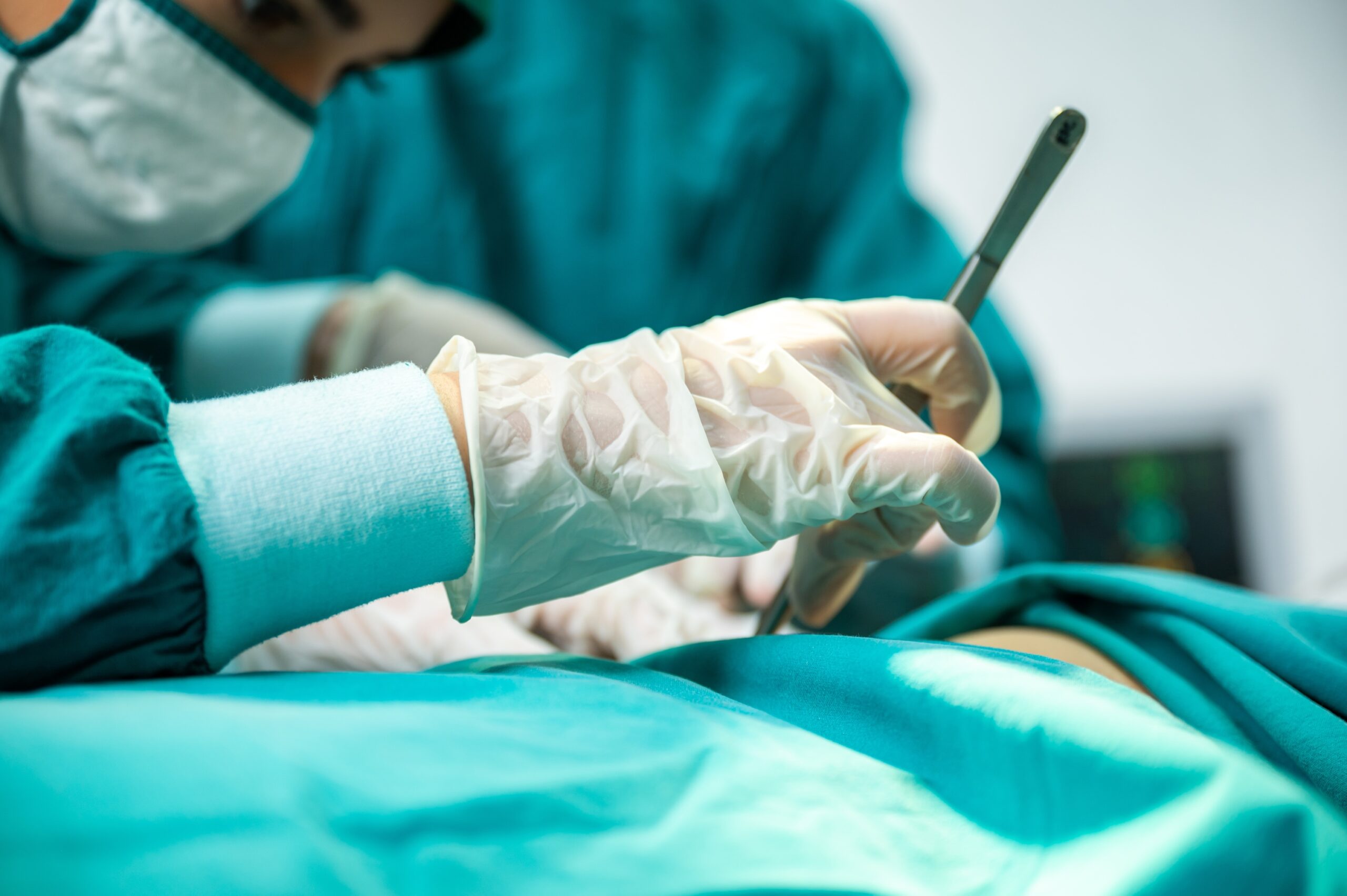
When patients undergo Mohs micrographic surgery for skin cancer, they often focus on the remarkable cure rates and tissue-sparing benefits of the procedure. What many do not realize is the extraordinary level of training required to become a fellowship-trained Mohs surgeon. These physicians, like Dr. Adam Mamelak in Austin, Texas, undergo one of the most rigorous educational pathways in medicine, combining expertise in dermatology, pathology, cutaneous oncology, and reconstructive surgery.
The Educational Foundation
The journey begins with a strong academic background. Future Mohs surgeons must first complete a four-year undergraduate degree, typically with extensive coursework in biology, chemistry, physics, and mathematics. During this time, students prepare for and take the Medical College Admission Test (MCAT), a highly competitive examination required for admission to medical school.
Following undergraduate education, aspiring Mohs surgeons attend medical school for four years, earning either a Doctor of Medicine (MD) or Doctor of Osteopathic Medicine (DO) degree. Medical school provides broad training in all areas of medicine, including anatomy, physiology, pathology, pharmacology, surgery, and clinical patient care.
Dermatology Residency Training
After graduating from medical school, physicians must complete a one-year internship followed by a highly competitive three-year dermatology residency. Dermatology is among the most selective medical specialties, with applicants competing for a limited number of residency positions nationwide.
During residency, physicians gain extensive experience diagnosing and treating diseases of the skin, hair, and nails. They become proficient in medical dermatology, dermatologic surgery, dermatopathology, pediatric dermatology, cosmetic procedures, and skin cancer management. Dr. Mamelak completed his residency training at The Johns Hopkins Univeristy in Baltimore, Maryland.
By the completion of residency, dermatologists are already highly trained physicians. However, Mohs surgery requires an additional level of specialized expertise.
Eligibility for Mohs Surgery Fellowship
To become eligible for fellowship training in Mohs micrographic surgery, physicians must successfully complete an accredited dermatology residency and demonstrate exceptional clinical and surgical skills. Because fellowship positions are limited, applicants undergo a highly competitive selection process.
Most fellowship programs seek candidates who have demonstrated excellence in:
- Surgical dermatology
- Skin cancer management
- Dermatopathology
- Academic scholarship and research
- Professionalism and patient care
- Leadership and teaching
The most prestigious training pathway is fellowship accreditation through the American College of Mohs Surgery (ACMS).
American College of Mohs Surgery Fellowship Training
The ACMS fellowship is widely regarded as the gold standard in Mohs surgery education. During this intensive one-year fellowship, physicians receive comprehensive training in three highly specialized disciplines:
Cutaneous Oncology
Mohs surgeons become experts in the diagnosis and treatment of skin cancer, including:
- Basal cell carcinoma
- Squamous cell carcinoma
- Melanoma
- Merkel cell carcinoma
- Rare and aggressive cutaneous malignancies
Fellows learn advanced techniques for managing recurrent, high-risk, and locally advanced skin cancers. They develop expertise in assessing tumor behavior, determining appropriate treatment strategies, and coordinating multidisciplinary care when necessary.
Dermatopathology and Microscopic Interpretation
One of the defining features of Mohs surgery is that the surgeon serves as both surgeon and pathologist.
Unlike many surgical specialties where tissue specimens are reviewed by a separate pathologist, Mohs surgeons personally process and examine tissue specimens under the microscope during surgery. This allows them to map tumor extensions with extraordinary precision.
ACMS fellows spend hundreds of hours studying:
- Histopathology of skin cancers
- Frozen section interpretation
- Tissue processing techniques
- Correlation of clinical findings with microscopic pathology
- Recognition of rare tumor variants
This unique combination of surgical and pathological expertise is one of the reasons Mohs surgery achieves the highest cure rates of any treatment modality for many skin cancers.
Reconstructive Surgery
After complete tumor removal, the resulting surgical defect must be repaired while preserving both function and appearance.
Fellows receive extensive training in:
- Primary closures
- Skin flaps
- Skin grafts
- Cartilage grafting
- Lip reconstruction
- Eyelid reconstruction
- Nasal reconstruction
- Ear reconstruction
- Complex facial reconstruction
Particular emphasis is placed on achieving optimal cosmetic outcomes while maintaining critical functions such as breathing, blinking, speaking, eating, and facial expression.
Surgical Case Requirements
The ACMS fellowship requires fellows to perform and interpret a large volume of Mohs surgical cases under the supervision of experienced fellowship directors.
This hands-on training exposes fellows to:
- Thousands of tissue sections
- Complex tumor patterns
- Challenging anatomical locations
- Advanced reconstruction techniques
- Rare skin cancers
The intensity of this experience allows fellows to develop both technical precision and sound clinical judgment. Dr. Mamelak completed hi ACMS fellowship training at the Texas Medical Center in Houston.
Board Certification in Micrographic Dermatologic Surgery
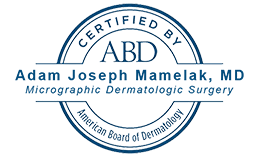 Following fellowship training, many Mohs surgeons pursue subspecialty board certification in Micrographic Dermatologic Surgery through the American Board of Dermatology.
This certification process was established to formally recognize physicians who possess advanced expertise in Mohs surgery and cutaneous oncology.
Candidates must satisfy eligibility requirements established by the American Board of Dermatology and successfully complete a comprehensive board examination. The examination evaluates knowledge in:
- Mohs micrographic surgery
- Cutaneous oncology
- Dermatopathology
- Surgical anatomy
- Reconstruction techniques
- Patient safety
- Clinical decision-making
Successful completion of the examination demonstrates mastery of the specialized knowledge and skills required for the practice of Mohs surgery at the highest level.
A Unique Combination of Expertise
Few medical specialties combine so many disciplines into a single physician’s practice. A fellowship-trained Mohs surgeon functions simultaneously as:
- Dermatologist
- Surgeon
- Pathologist
- Oncologist
- Reconstructive surgeon
This integrated expertise allows Mohs surgeons to diagnose skin cancer, remove tumors with microscopic precision, analyze pathology in real time, and reconstruct complex surgical defects during the same patient encounter.
The Value of Fellowship Training
For patients facing a diagnosis of skin cancer, the extensive training of a fellowship-trained Mohs surgeon provides confidence that their care is being guided by a physician with advanced expertise in skin cancer management, pathology, and reconstructive surgery.
The pathway requires more than a decade of education and postgraduate training after high school, culminating in specialized fellowship experience and board certification. This commitment reflects the complexity of treating skin cancer and the importance of achieving the best possible oncologic, functional, and cosmetic outcomes for every patient.
When patients choose a fellowship-trained Mohs surgeon, they are benefiting from one of the most comprehensive and specialized training pathways in modern medicine.

